Best Anti-Aging Skincare 2026: Actually Works Products Tested
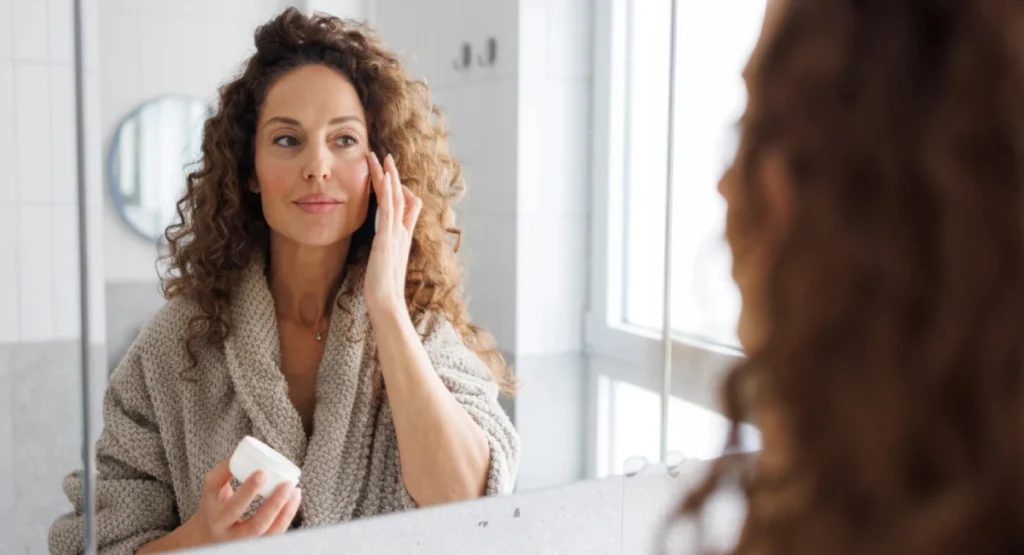
I hit my thirties and suddenly my skin looked different.
Fine lines started appearing. Texture changed. My skin looked tired.
I panicked and started buying every anti-aging product I could find.
Expensive serums. Fancy creams. Targeted eye products. Everything.
My skincare routine became like 10 steps.
And honestly my skin didn’t look dramatically better.
Then I actually looked at what dermatologists recommend for anti-aging.
And realized I was wasting time and money on a bunch of stuff that doesn’t work.
The actual anti-aging ingredients that work are like… three things.
Everything else is marketing.
Quick Answer:
Anti-aging ingredients that actually work: retinol, vitamin C, and sunscreen. Those three things. Everything else is supplementary. Start with those and your skin will improve. Don’t buy 10 products. Buy these three.
The Three Anti-Aging Ingredients That Actually Work
Retinol:
Increases cell turnover. Reduces fine lines. Improves texture. Gold standard anti-aging ingredient.
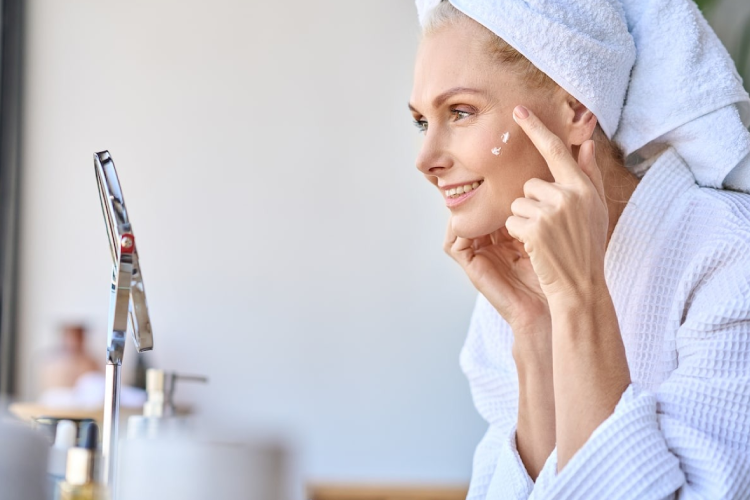
Start with low concentration (0.2-0.3%) to avoid irritation.
Use at night 2-3x per week initially.
Results take 6-12 weeks to be noticeable.
Brands: The Ordinary (€8), Tretinoin prescription (€10-20), Drunk Elephant (€68).
Vitamin C:
Antioxidant. Brightens skin. Prevents sun damage. Fades fine lines over time.
Works best as morning product.
Look for 10-20% concentration.
Results take 4-8 weeks.
Brands: Timeless (€8), The Ordinary (€8), Drunk Elephant (€80).
Sunscreen:
Prevents new sun damage and prevents existing damage from getting worse.
SPF 30 minimum.
Use every day.
This is actually the most important anti-aging product because it prevents damage.
Brands: CeraVe, La Roche Posay, EltaMD (€15-40).
Everything Else Is Supplementary
Eye creams, serums, peptides, retinol alternatives, fancy moisturizers.
They can help but they’re not the foundation.
The foundation is retinol, vitamin C, sunscreen.
Everything else is bonus.
Don’t spend €1000 on fancy serums when you could spend €25 on retinol + vitamin C + sunscreen and get better results.
The Anti-Aging Routine That Works
Morning:
- Cleanser
- Vitamin C serum
- Moisturizer
- Sunscreen (NON-NEGOTIABLE)
Night:
- Cleanser
- Retinol (start 2-3x per week, increase to nightly)
- Moisturizer (richer night moisturizer optional)
That’s it. This routine addresses fine lines, texture, and prevents new damage.
Add more if you want but these are the essentials.
Retinol: The Most Important Anti-Aging Ingredient
Retinol is literally the gold standard.
It’s the most researched anti-aging ingredient.
It works.
But you have to use it correctly:
Start low and go slow:
0.2-0.3% concentration initially.
Use 2-3x per week.
Increase frequency slowly.
Expect adjustment period:
Retinization takes 4-12 weeks.
During this time: dryness, redness, flaking is normal.
Use sunscreen religiously:
Retinol makes skin sun-sensitive.
SPF 30+ every day non-negotiable.
Moisturize well:
Retinol is drying. Use good moisturizer at night.
Patience:
Results take months. Don’t judge after 2 weeks.
Prescription Retinoid (Tretinoin)
If you want the strongest option, tretinoin (Retin-A) is prescription.
More powerful than over-the-counter retinol.
Requires dermatologist consultation.
More expensive initially (€15-50 per prescription) but lasts months.
More irritating so requires careful introduction.
If OTC retinol isn’t giving results, consider asking dermatologist about tretinoin.
Vitamin C: The Antioxidant
Vitamin C protects skin from environmental damage.
Also brightens and can fade fine lines over time.
Not as powerful as retinol but good supporting ingredient.
Stability matters:
Vitamin C oxidizes (turns brown). Only use if it’s still clear/yellow.
Concentration matters:
Look for 10-20%. Higher doesn’t mean better.
Morning is best:
Vitamin C’s antioxidant protection is better in AM.
Layer correctly:
Apply to clean, dry skin. Wait minute. Then moisturizer.
Eye Cream (Do You Actually Need It?)
Eye area skin is thinner. Needs gentler ingredients.
A good eye cream is nice but not necessary.
Regular moisturizer works fine for eyes in most cases.
If you want eye cream, look for retinol eye creams or peptide eye creams.
Brands: Ordinary Retinol Eye Cream (€7), First Aid Beauty Eye Cream (€40), Drunk Elephant (€68).
Anti-Aging Skincare by Age
30s:
Start retinol, vitamin C, sunscreen.
Preventative focus.
Basic routine.
40s+:
Retinol (possibly prescription), vitamin C, sunscreen.
Add moisturizer if needed.
Possibly add eye cream.
Add professional treatments if desired (facials, laser, etc).
The basics stay the same. Just add more support.
Things That Don't Actually Work (Anti-Aging Marketing BS)
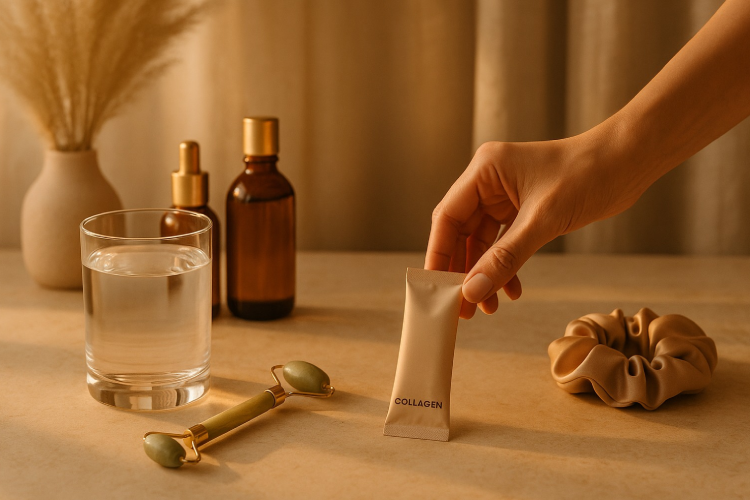
Collagen creams: Collagen molecule is too large to absorb through skin. Doesn’t work.
Peptide serums: Minimal evidence they work topically.
Stem cell products: Mostly marketing. Limited actual benefit.
Expensive face oils: Oils protect skin but don’t reduce wrinkles specifically. Regular moisturizer works fine.
“Lifting” creams: Don’t actually lift. Temporary plumping at best.
Sheet masks: Nice but don’t provide lasting anti-aging benefit.
Expensive moisturizers: Good moisturizer important but expensive ≠ better.
Budget Anti-Aging Routine (€25-30 total)
- The Ordinary Retinol 0.2% (€8)
- The Ordinary Vitamin C (€8)
- CeraVe Moisturizer (€12)
- CeraVe SPF (€15)
Total: €43
This routine is actually better than most €500+ routines because it has the three ingredients that work.
FAQ
When should you start anti-aging skincare?
Sun protection from early 20s. Active anti-aging (retinol) from 30s is common but can start earlier if you want.
How long until you see anti-aging results?
Vitamin C: 4-8 weeks. Retinol: 8-12 weeks. Sunscreen: prevents future damage, no visible improvement. Patience required.
Can you use retinol and vitamin C together?
Yes but vitamin C in AM, retinol in PM for best stability and effectiveness.
Is prescription retinoid better than OTC retinol?
Tretinoin is stronger and more powerful. Better results but also more irritating. Try OTC retinol first.
Can you do anti-aging skincare if you have sensitive skin?
Yes but start very low concentration and go slow. Sensitive skin needs patience with retinol.
Final Recommendation
Don’t buy expensive anti-aging products.
Buy retinol, vitamin C, sunscreen, moisturizer.
Those four things.
Use them consistently for 3+ months.
That’s when you’ll see results.
Everything else is optional.
Don’t waste money on marketing BS.
The three ingredients that work are not expensive.
What anti-aging products are you using? Have you tried retinol? Tell me in the comments!