Biophilic Design at Home: How to Bring Nature Inside
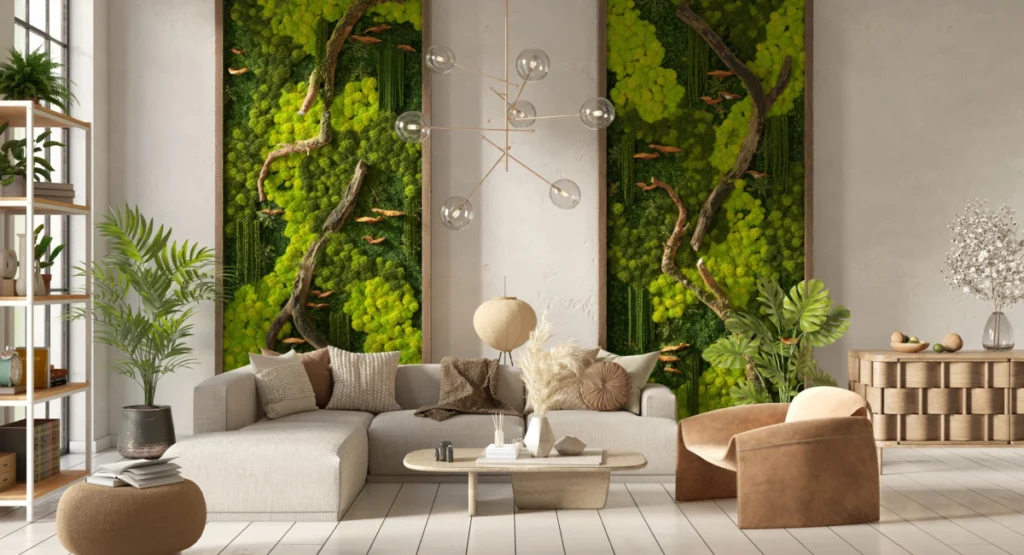
I read about biophilic design and how being around nature improves mental health.
I was living in a concrete apartment with zero plants.
My anxiety was high. My mood was blah.
So I started adding plants and natural elements.
Not going crazy. Just intentional nature.
And it genuinely made a difference.
My space feels calmer. My mood is better. My anxiety is lower.
It’s not a cure. But it helps.
Quick Answer:
Biophilic design = bringing nature inside. Plants, natural light, natural materials, water elements, views of nature. Even small doses help. Start with plants. Add wood. Add water. Make your space feel alive.
What Is Biophilic Design
Biophilic design is intentionally incorporating nature into spaces.
It’s based on the idea that humans need nature.
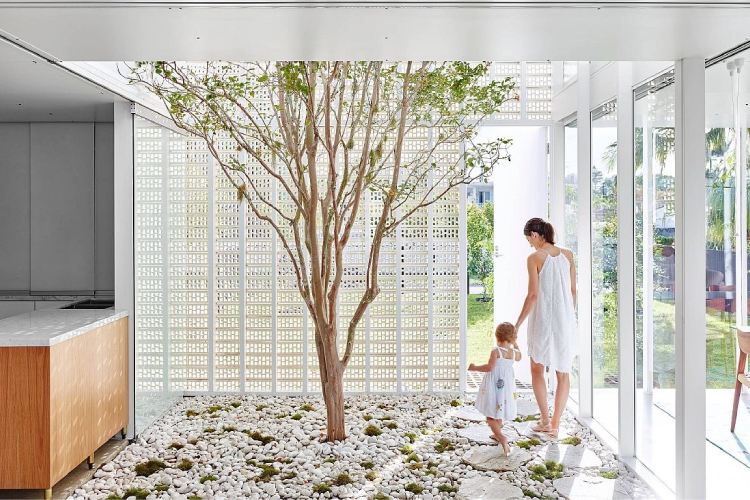
Nature reduces stress. Improves focus. Boosts mood.
Biophilic design is just being intentional about adding that nature to your home.
Plants (The Foundation)
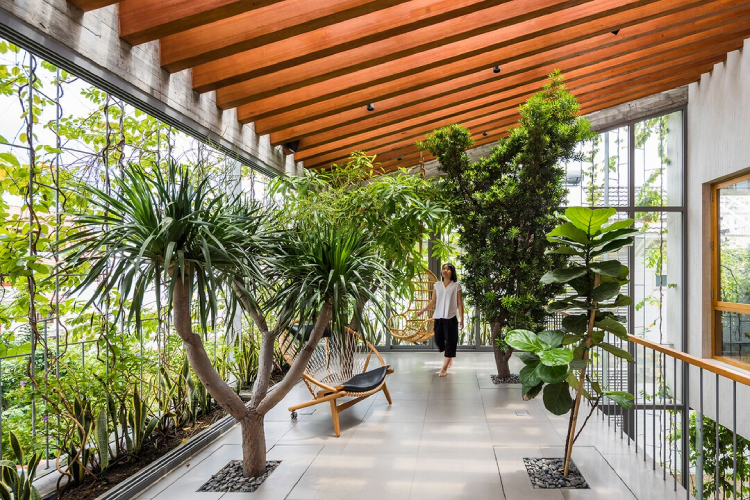
Plants are the easiest biophilic element.
They’re literally alive. They improve air quality. They’re calming.
Low-maintenance plants:
- Snake plant (nearly impossible to kill)
- Pothos (grows anywhere)
- ZZ plant (tolerates low light)
- Monstera (iconic, easy)
- Spider plant (forgiving)
Placement:
- Windowsills (where they get light)
- Corners (fill empty space)
- On shelves (vertical greenery)
- Hanging (adds depth)
Budget: €10-50 per plant depending on size.
Just start with one or two.
Natural Light (Critical)
Natural light affects mood and circadian rhythm.
Maximize natural light in your space.
How:
- Remove heavy curtains. Use sheer ones.
- Clean windows (so light comes in).
- Position furniture to not block windows.
- Use mirrors to reflect light.
Natural light is free and hugely impactful.
Natural Materials
Wood, stone, plants, natural fibers.
In furniture:
- Wooden table instead of plastic
- Jute rug instead of synthetic
- Linen curtains instead of polyester
- Stone coasters instead of plastic
You don’t have to replace everything.
Just incorporate natural materials gradually.
Budget: Natural materials cost similar or less than synthetic.
Water Elements (Optional)
Water has calming effect.
Options:
- Fountain (tabletop or floor)
- Aquarium (fish add life)
- Water feature in art
- Bowl of water with plants
Water elements add movement and sound.
Even small ones help.
Biophilic Design on Budget (€100-200)
- 5 plants (€50): snake plant, pothos, monstera, etc.
- Natural fiber rug (€60)
- Wooden side table (€50)
- Jute curtains or linen throw (€30)
Total: €190
This completely transforms a space.
Biophilic Design Mid-Range (€400-600)
- Multiple plants and nice pots (€150)
- Quality wooden furniture (€200)
- Area rug with natural fibers (€100)
- Tabletop water fountain (€80)
Total: €530
Really feels like nature-filled space.
Etsy + Home Depot: Biophilic Products
Etsy has tons of natural home products.
Wooden organizers. Stone coasters. Plant stands. Art with nature themes.
Home Depot has plants, wood products, stone elements.
Both sources for biophilic design products.
Biophilic Art
Art depicting nature. Photography of landscapes. Botanical prints.
Even if you can’t have actual nature, art depicting nature helps.
€20-100 depending on size and quality.
Window Views
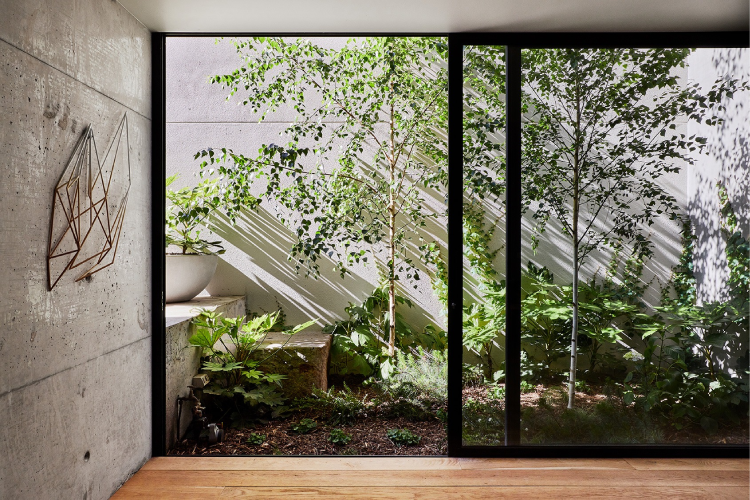
If you have a window with a view, use it.
Sit by window. Look out. Just existing by window helps.
If you don’t have nice view, create one inside.
Plants in window. Art depicting nature. Hang botanical prints.
The Sensory Elements
Biophilic design isn’t just visual.
Sound: Fountain, wind chimes, bird sounds
Smell: Plants, flowers, natural scents
Touch: Wood texture, soft plants, natural materials
Sight: Green, plants, natural light, nature imagery
Engage multiple senses for greater impact.
FAQ
Do you need a lot of plants for biophilic design?
No. Even 3-5 plants in a room makes difference.
Can you do biophilic design in small apartment?
Absolutely. Vertical plants. Window focus. Works in any space.
What if you can't keep plants alive?
Start with hardy plants (snake plant, pothos). And fake plants are okay if needed. Something is better than nothing.
How much do you need to spend?
Very little. Plants are cheap. Natural materials similar price to synthetic.
Does biophilic design help with mental health?
Research says yes. Even small doses of nature reduce stress and anxiety.
My Biophilic Space
I have:
- 6 plants scattered throughout
- Natural wood furniture
- Large window I sit by daily
- Jute rug
- Stone coasters
- Linen curtains
- Nature photography
Cost: about €400 total.
Impact: genuinely noticeable. Space feels alive. I feel calmer.
Final Take
Biophilic design doesn’t mean being a plant parent with 50 plants.
It just means intentionally adding nature to your space.
Even small doses help.
Plants, natural light, natural materials.
That’s it.
Your mental health will thank you.
Final Recommendation
Start with one plant. Place it by a window.
Notice how it makes you feel.
Add one natural material (wooden table, jute rug).
Notice the difference.
Build gradually.
Your space will feel calmer. You’ll feel better.
Have you considered adding biophilic elements to your home? Where would you start? Tell me in the comments!