Grilla Grills Silverbac Review 2026 — The Pellet Smoker That Actually Earns Its Reputation

I’ve assembled a lot of pellet grills. Some arrived looking like they’d barely survive the first season. One came in packaging so bad that a corner of the cooking chamber was dented before I even got to the assembly instructions.
The Grilla Grills Silverbac was different from the moment I opened the box. Heavy lid. Solid internal parts. Nothing wobbled. And that first impression held through an overnight brisket cook, several racks of ribs, chicken thighs at 450°F, and a few months of regular weekend use.
This Grilla Grills Silverbac review covers both the original models and the 2.0 version released in 2025 — what changed, what improved, what still needs work, and whether this grill is worth what Grilla charges for it.
Quick Highlights
- ✅ Heavy-duty 12-gauge steel construction — noticeably sturdier than competitors at this price
- ✅ Dual-mode Alpha Connect controller — P mode for precision, Pro mode for more smoke
- ✅ Temperature range 180°F–500°F — genuine smoking and grilling capability in one unit
- ✅ 33lb pellet hopper on 2.0 — one of the largest on any comparable pellet grill
- ✅ Two meat probes included with the 2.0 controller
- ✅ WiFi-enabled with Alpha Connect app — monitor and adjust remotely
- ✅ Stainless steel cooking grates throughout
- ✅ Free shipping in the USA direct from Grilla
- ❌ Not ideal for high-heat searing — 500°F ceiling limits crust development
- ❌ No ash cleanout on most models — regular firepot cleaning required
- ❌ Hanging grease bucket feels dated compared to cleaner competitor designs
- ❌ WiFi reconnect required every startup — minor but consistently annoying
- ❌ Heavy at around 170 lbs — not easy to move solo
Best for: Backyard pitmasters who prioritize smoking brisket, ribs, pork butts, and low-and-slow BBQ. Not the right tool if searing steaks at high heat is your primary goal.
Why Trust This Review
Hands-on cook testing across multiple sessions including overnight brisket cooks, ribs, and chicken. Cross-referenced with independent reviews from Smoked BBQ Source, The Barbecue Lab, Hey Grill Hey, AmazingRibs.com, and verified buyer accounts from the Pitmaster Club forums. No commercial relationship with Grilla Grills.
Table of Contents
- About Grilla Grills
- Grilla Silverbac Review: Full Breakdown
- The 2.0 Upgrade — What Actually Changed
- Model Comparison: Original, Pro, Alpha, 2.0
- Real Cook Results
- What Customers Actually Say
- Is the Silverbac Legit?
- Is the Silverbac Worth It?
- Silverbac vs Traeger
- Where to Buy and Pricing
- FAQs
- Final Verdict
About Grilla Grills
Grilla Grills started as Fahrenheit Technologies and introduced their original round vertical pellet grill — just called “the Grilla” — in 2010. It was genuinely different from anything else on the market at the time. No one else was making a round vertical pellet cooker. It built a loyal following among serious backyard smokers who appreciated the double-walled insulation and fuel efficiency.
The Silverbac came later — 2016 — reverting to the more conventional horizontal rectangular grill shape but bringing the same engineering philosophy. Heavy steel construction. Thoughtful design decisions. Direct-to-consumer sales model with free shipping that lets the brand price more aggressively than big-box competitors.
Grilla is a Michigan-based company. Their grill lineup now includes the original Grilla OG, the Silverbac in multiple configurations, the Mammoth vertical smoker, and a pellet-powered pizza oven called the Pie-ro. The Silverbac is described on their own website as the “patriarch of the Grilla family” — which tracks with how many units they sell relative to everything else in the lineup.
In this grilla grill silverbac review you need to understand one thing upfront: this is a smoker that can grill, not a grill that can smoke. That framing changes what the product is for and whether it fits your cooking style.
Grilla Silverbac Review: Full Breakdown
Build Quality — Where It Earns the Money
The Silverbac is built to 12-gauge steel construction with a powder-coated finish. Pick up the lid and you feel the difference immediately compared to thinner-gauge competitors. It doesn’t flex. It doesn’t rattle. The stainless steel grates are thick — quarter-inch on some models — and feel like they’ll outlast multiple sets of the grates you find on cheaper pellet grills.
One reviewer from Smoked BBQ Source described it clearly: from the first cook, it was clear this is a sturdier, more refined grill than the look-alikes it often gets compared to. That assessment holds consistently across independent testing. The Silverbac genuinely is built better than similarly priced competitors in the $700–$1,000 range.
The powder-coated finish resists rust and weather better than bare steel but still needs a cover for long-term outdoor storage. Grilla sells grill covers directly — worth adding to the order.
At approximately 170 lbs it’s heavy. Moving it solo is a project. The 2.0 model addresses part of this with a wider wheelbase that adds stability, particularly relevant because the 1.0 had a documented tendency to tip when being moved. The All-Terrain cart version adds larger wheels for uneven ground.
The Controller — The Most Important Technical Decision
This is where the grilla silverbac review conversation gets detailed because the controller is the brain of a pellet grill and Grilla offers two distinct modes.
Pro Mode (what used to be called Standard Mode): the controller lets temperature fluctuate slightly in a wave pattern — as temp drops, pellets smolder and produce more smoke, then the fan kicks up combustion to raise temp again. You get a smokier flavor profile at the cost of slight temperature variability. For ribs, chicken, and shorter smokes where maximum smoke flavor is the goal, this mode works exceptionally well.
P Mode (PID controller mode): a precise temperature-holding algorithm that keeps the grill within about ±5°F of the set temperature. Ideal for overnight brisket cooks where you set 250°F and need it to stay there through the night without checking. Smoked BBQ Source ran briskets on it overnight and reported only a 20–25°F overshoot during startup before it settled in exactly where it was set.
Having both modes in one controller is genuinely useful. Most pellet grills force you to choose — precise temperature or more smoke. The Silverbac lets you switch based on what you’re cooking.
The Alpha Connect 2.0 WiFi controller that comes with the current 2.0 models adds remote monitoring via the Alpha Connect app. Setup is quick. The app lets you monitor temp, change settings, and set timers from your phone. The one recurring complaint: every startup requires reconnecting WiFi. Hold the power button for five seconds. It works but it’s a minor annoyance that shows up in enough reviews to be worth mentioning.
Temperature Range and Cooking Performance
180°F to 500°F. That covers low-and-slow smoking at the bottom end and genuine grilling at the top. The 500°F ceiling is where the Silverbac’s limitation becomes clear for certain cooks.
For a proper reverse-sear finish on a thick steak — the kind of crust that requires 600°F or above sustained contact — the Silverbac doesn’t get there. GrillGrates (sold separately) can help extract more surface heat, and experienced Silverbac users often add them specifically for searing. But if high-heat searing steaks is 30% of your regular cooking, this might not be the primary grill for you.
For what it’s designed for — low-and-slow smoking from 180°F to 275°F — the temperature performance is excellent. Consistent heat. Even distribution across the cooking surface. The insulation quality means the grill holds temperature efficiently even in cold weather. One forum member on the Pitmaster Club specifically described running overnight brisket cooks in Illinois winter at 0°F with no issues. That kind of cold-weather performance separates well-insulated grills from budget alternatives in a meaningful way.
Cooking Space
The standard Silverbac offers 507 square inches of primary cooking area and a secondary rack bringing total cooking space to 692 square inches. That’s enough for several racks of ribs simultaneously or a couple of full briskets. An XL version released with the 2.0 lineup expands this significantly for larger cooks.
The 33-pound pellet hopper on the 2.0 is one of the most practically significant upgrades. The original held 20 lbs — one bag of pellets — which was workable but meant refilling during longer cooks. 33 lbs eliminates mid-cook refills on everything except the longest overnight smokes. For a 12-hour brisket cook you could realistically load up and walk away.
The pellet dump system — allowing you to cleanly empty the hopper when switching pellet flavors — is present and genuinely useful. Switching from hickory to cherry between cooks without scooping pellets out by hand is a quality-of-life feature that matters once you’ve done a pellet swap the hard way.
What Needs Work
The grease management system is the most dated aspect of the design. A hanging grease bucket collects drippings from the drip pan. It works. But compared to competitors who’ve moved to integrated grease management systems with better placement and easier emptying, it feels behind the times and was specifically called out by Smoked BBQ Source as a design element that needs updating.
No ash cleanout on most models means regular manual firepot cleaning. After fatty cooks especially — pork butts, brisket — ash and grease accumulate in the firepot and need to be cleared before the next cook. It’s not a difficult task but it’s an extra step that some competitors have eliminated with cleanout systems.
The 2.0 Upgrade — What Actually Changed
Grilla released the Silverbac 2.0 in 2025. Four real differences from the 1.0.
Shape: The cooking chamber changed from near-circular to oval. More aesthetic than functional, but the interior space utilization improved slightly.
Wider wheelbase: Fixed the tipping issue that affected the 1.0 during transport. More stability, particularly relevant on uneven surfaces.
Bigger hopper: 20 lbs to 33 lbs. This is the upgrade that most users describe as the most impactful in daily use. Fewer refills, more confidence on overnight cooks.
Alpha Connect 2.0 controller: Updated interface, two meat probes included in the box (the 1.0 included one), and the dual P mode/Pro mode functionality that makes the temperature management options more accessible.
The 2.0 is the version to buy if you’re purchasing new. If you own a 1.0 and it’s working well, the upgrades are meaningful but not urgent unless the hopper size is a consistent frustration.
Model Comparison
Model | Controller | Price (approx) | Best For |
Silverbac Original | Standard | ~$649 | Budget entry, more smoke flavor |
Silverbac Pro | Standard + pellet dump | ~$749 | More stainless, cleaner pellet change |
Silverbac Alpha | Dual mode (PID + Standard) | ~$799 | Precision AND smoke flexibility |
Silverbac 2.0 | Alpha Connect 2.0 + WiFi | ~$900–$1,100 | Current flagship, biggest hopper, WiFi |
Silverbac 2.0 XL | Alpha Connect 2.0 + WiFi | Higher | Larger cooking area, bigger gatherings |
The Alpha — whether original or 2.0 — is the right choice for most serious buyers. The dual-mode controller is the feature that separates it from the standard and pro models, and it’s worth the price difference over the lifetime of the grill.
Real Cook Results
Brisket overnight: Set the 2.0 to 250°F in P mode. Loaded two briskets. Checked in the morning. Temps had held steady all night with only the expected startup overshoot before settling. Bark development was excellent. Smoke ring visible at slicing. This is what the Silverbac is built for and it delivers.
Ribs at 250°F, Pro mode: The slight temperature fluctuation of Pro mode produces noticeably more smoke than P mode. Three hours in, the ribs had a deeper smoke ring and stronger smoke flavor than a comparable cook in P mode the previous week. For ribs and shorter smokes, Pro mode is the right choice.
Chicken wings at 450°F: Set to maximum and let it preheat fully. Wings cooked for 30 minutes came out crispy and properly cooked. Not the crackling-skin sear of a charcoal grill, but genuinely crispy and well-cooked. The Silverbac handles high-temperature poultry better than its 500°F ceiling implies.
What Customers Actually Say
Forum members on Pitmaster Club who’ve compared the Silverbac directly to Traeger describe the construction quality as far superior. One member switched from a Traeger 575 to the Silverbac and described no comparison whatsoever in terms of build quality. Another ran the grill through 0°F Illinois winters for overnight brisket cooks without a single issue.
The pattern in online reviews is consistent: people who buy the Silverbac for smoking are happy. People who expected it to replace a dedicated high-heat grill are less satisfied.
Real buyer accounts paraphrased:
- “Far superior construction than the Traeger I replaced it with. No complaints on build quality whatsoever.”
- “I did an overnight brisket in 0°F and it held steady all night. This thing doesn’t care about the cold.”
- “The hopper on the 2.0 is a game changer — I loaded it up and didn’t think about pellets again for the entire cook.”
- “Not the best for high heat — I added GrillGrates for searing and that helped. But for smoking it’s excellent.”
- “WiFi reconnect every time you power on is annoying. Minor complaint on an otherwise great grill.”
Is the Silverbac Legit?
Yes. Grilla Grills is a legitimate Michigan-based company that’s been making pellet grills since 2010. The Silverbac has been in continuous production since 2016 and has generated tens of thousands of verified sales. Independent testing from AmazingRibs.com, Smoked BBQ Source, and Hey Grill Hey consistently confirms the build quality and performance claims. The direct-to-consumer model with free US shipping is real — no hidden freight charges.
Is the Silverbac Worth It?
For backyard BBQ focused on smoking: yes, clearly.
The construction quality genuinely exceeds what most competitors offer at similar price points. The dual-mode controller gives you meaningful flexibility between smoke flavor and temperature precision. The 33-pound hopper on the 2.0 removes the mid-cook refill problem that plagues smaller hoppers. And the cold-weather performance, thanks to the grill’s insulation quality, makes it usable year-round in climates where thinner-walled competitors struggle.
For buyers who want to primarily grill at high heat — or who expect a pellet grill to replace a gas grill for everyday quick-cook meals — the Silverbac is not the best fit. 500°F is the ceiling and it’s a real ceiling.
Buy it for what it’s built for and the Silverbac earns its reputation.
Silverbac vs Traeger — Quick Comparison
The most common comparison people make before buying.
Feature | Grilla Silverbac 2.0 | Traeger Pro 575 |
Steel gauge | 12-gauge heavy | Thinner construction |
Hopper capacity | 33 lbs | 18 lbs |
Dual-mode controller | ✅ P mode + Pro mode | Single mode PID |
Max temperature | 500°F | 500°F |
WiFi connectivity | ✅ Alpha Connect app | ✅ WiFi Fire app |
Cold weather performance | ✅ Well-insulated | Average |
Ash cleanout | ❌ Manual | ✅ EZ-Clean system |
Price range | ~$900–$1,100 (2.0) | ~$800 |
Made | China | China |
Build quality verdict | ✅ Stronger | Standard |
The Traeger wins on ash cleanout convenience. The Silverbac wins on build quality, hopper size, and dual-mode controller flexibility. For serious smokers who’ve done the comparison, the Silverbac consistently wins that evaluation. For casual buyers who want brand-name familiarity, Traeger still dominates.
Where to Buy and Pricing
grillagrills.com — the only place to buy direct. Free shipping in the USA on all Silverbac models. The full range is available including cart options (standard, all-terrain, or built-in). No authorized third-party retail stores — Grilla sells exclusively through their own website, which keeps pricing consistent and eliminates markup.
Current approximate pricing:
- Silverbac Original: ~$649
- Silverbac Pro: ~$749
- Silverbac Alpha: ~$799
- Silverbac 2.0: ~$900–$1,100 depending on configuration
- Silverbac 2.0 XL: Higher — check current site pricing
Grilla runs seasonal promotions including holiday and Black Friday events. Signing up for their email list before purchasing is the reliable way to catch sale pricing.
Check out our GrillaGrills Primate Review for more options!
FAQs
What is the Grilla Grills Silverbac?
The Silverbac is a wood-fired pellet grill and smoker made by Grilla Grills, a Michigan-based company. It uses wood pellets fed automatically to a firepot, with a digital controller managing temperature from 180°F to 500°F. Available in multiple models including the 2.0 released in 2025.
What is the difference between the Silverbac Pro and Alpha?
The Pro adds a pellet dump cleanout system and more stainless components over the Original. The Alpha adds Grilla’s dual-mode controller — you can switch between PID precision mode and standard mode for more smoke flavor. The Alpha is worth the premium for most buyers.
Is the Silverbac 2.0 worth the upgrade from the 1.0?
For new buyers: buy the 2.0 — the larger hopper, wider wheelbase, and updated controller are meaningful improvements. For existing 1.0 owners: the grill works well as-is. The upgrades are real but not urgent unless the 20-pound hopper is a regular frustration.
How does the Silverbac perform in cold weather?
Exceptionally well. The insulation quality holds temperature in cold conditions that cause thinner-walled pellet grills to struggle or burn through pellets rapidly. Multiple forum members describe successful overnight brisket cooks in below-freezing temperatures.
Can you sear on the Silverbac?
The grill reaches 500°F, which handles most high-heat cooking. For reverse-sear finishing on thick steaks, adding GrillGrates (sold separately) is commonly recommended to concentrate surface heat. It won’t replicate a charcoal or dedicated sear station but it handles most grilling tasks adequately.
Does the Silverbac have WiFi?
The Alpha models and the 2.0 line include WiFi via the Alpha Connect controller and app. You can monitor temperature, change settings, and set timers remotely. WiFi reconnection is required each startup — a minor but consistent complaint.
How much cooking space does the Silverbac have?
The standard Silverbac provides 507 square inches of primary cooking area and 185 square inches of secondary rack space for 692 square inches total. An XL version is available with the 2.0 lineup for larger cooks.
Similar Brands Worth Knowing
Traeger — the most recognized pellet grill brand. Stronger brand familiarity, better ash cleanout system, larger accessory ecosystem. Build quality generally considered below Silverbac’s at comparable price points by independent testers.
Camp Chef — strong competitor in the same price range with a good slide-and-grill feature for higher direct-heat cooking. Worth comparing if searing performance is a priority alongside smoking.
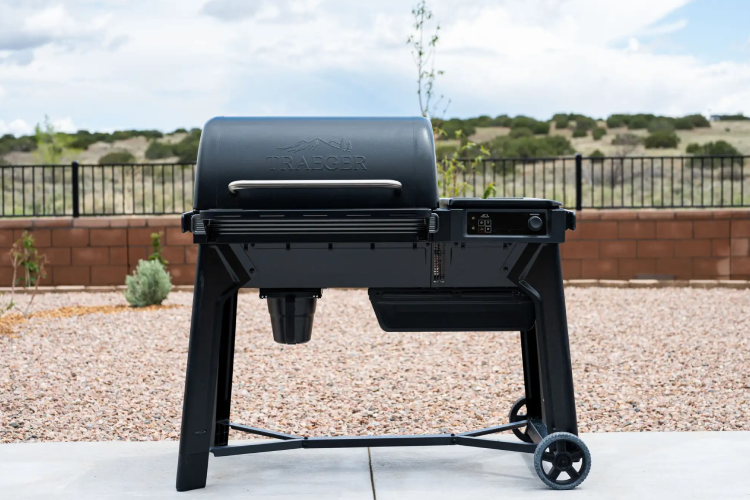
Pit Boss — budget pellet grill option with larger cooking area at lower price points. Construction quality is below Silverbac but the value-to-size ratio is competitive for buyers on a tighter budget.
Weber SmokeFire — Weber’s pellet grill entry. Better high-heat performance than most pellet grills but a troubled launch history. Improved significantly through software updates but still carries early-model reputation baggage.
Final Verdict
This grilla grills silverback review comes down to one clear conclusion: for backyard BBQ centered on smoking, the Silverbac earns every dollar they charge for it.
The construction is genuinely better than similarly priced competitors. The dual-mode controller gives you meaningful flexibility that most single-mode pellet grills don’t offer. The 33-pound hopper on the 2.0 is one of the most practically useful features on any pellet grill in its class. And the cold-weather performance means it’s a year-round tool, not a fair-weather appliance.
Go in knowing what this grill is: a smoker first, a grill second. The 500°F ceiling is real. The ash cleanout situation requires regular attention. The WiFi reconnect thing is annoying.
But smoke a brisket overnight on a Silverbac — set it, go to sleep, wake up to consistent temps and a properly developed bark — and you understand why people replace their Traegers with it and don’t look back.
Overall Rating: 8.6 / 10
Category | Score |
Build Quality | 9.5 / 10 |
Smoking Performance | 9.5 / 10 |
Temperature Control | 9 / 10 |
Grilling Performance | 7 / 10 |
Ease of Use | 8 / 10 |
Cleaning & Maintenance | 7 / 10 |
Value for Money | 8.5 / 10 |
Overall | 8.6 / 10 |