Japandi Interior Design: What It Is & How to Get the Look at Home
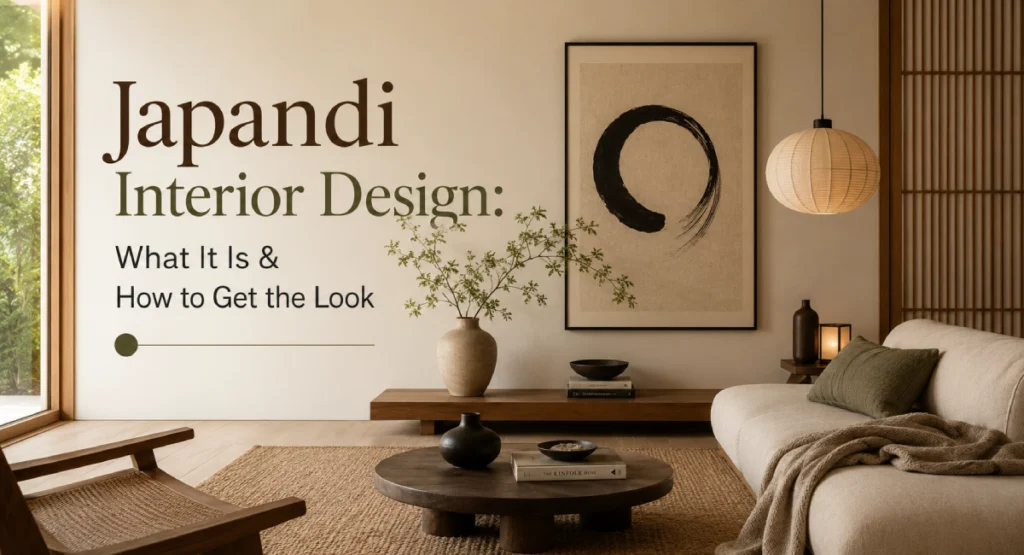
I discovered Japandi design by accident when I was looking at Scandinavian interiors and kept running into images that had this other vibe mixed in.
Japanese minimalism meets Scandinavian simplicity basically.
It’s like someone took the best of both cultures and merged them into one aesthetic.
And I became obsessed.
Because Japandi is basically the perfect balance between warmth and minimalism.
Scandinavian design can feel cold and sterile sometimes.
Japanese design can feel too minimalist sometimes.
Japandi is Goldilocks: not too much, not too little, juuust right.
Quick Answer:
Japandi is Japanese minimalism + Scandinavian simplicity. Think: neutral colors, natural materials, functional beautiful pieces, intentional spaces. It’s minimalist but warm. Not sparse. Calm aesthetic that’s actually livable.
What Is Japandi (The Actual Principles)
Japandi combines:
Japanese principles:
- Minimalism (less is more)
- Natural materials (wood, stone, natural fibers)
- Respect for space (negative space is intentional)
- Craftsmanship (quality over quantity)
- Harmony (everything feels balanced)
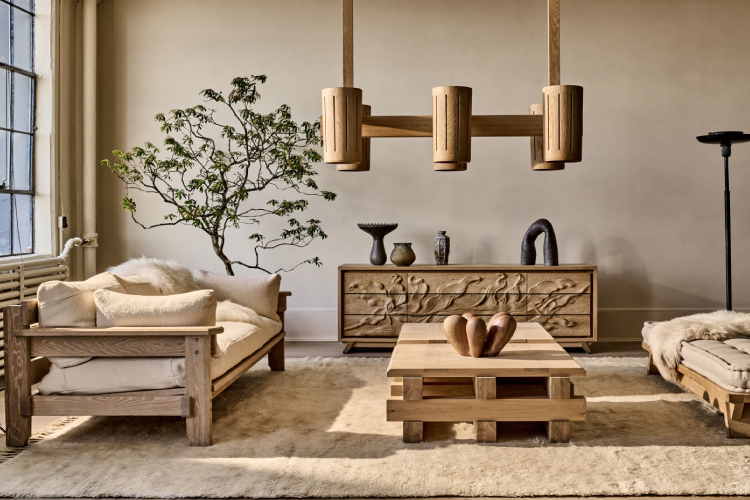
Scandinavian principles:
- Functionality (everything has a purpose)
- Coziness (warm and inviting)
- Light colors and brightness
- Simple clean lines
- Accessible design (not precious)
Together it’s minimal but not cold. Simple but not boring. Functional but beautiful.
The Japandi Color Palette
Neutral base colors: whites, creams, soft grays, warm blacks
Natural wood tones: light oak, natural bamboo, warm walnut
Accent colors: muted blacks, soft greens, warm browns
NO: bright colors, patterns, busy designs
The palette is intentionally limited creating calm focused aesthetic.
The Japandi Materials
Natural materials are essential:
- Wood (furniture, flooring, accents)
- Natural fibers (cotton, linen, wool)
- Stone or concrete
- Ceramic
- Bamboo
- Leather (minimal)
Synthetic materials are avoided. Everything feels natural and authentic.
Furniture in Japandi Style
Furniture is functional and minimal. Every piece serves a purpose.
- Simple clean-lined furniture
- Natural wood pieces
- Low-profile furniture (Japanese influence)
- Multi-functional pieces
- Handcrafted feeling
No overstuffed sectionals. No ornate furniture. Just simple beautiful functional pieces.
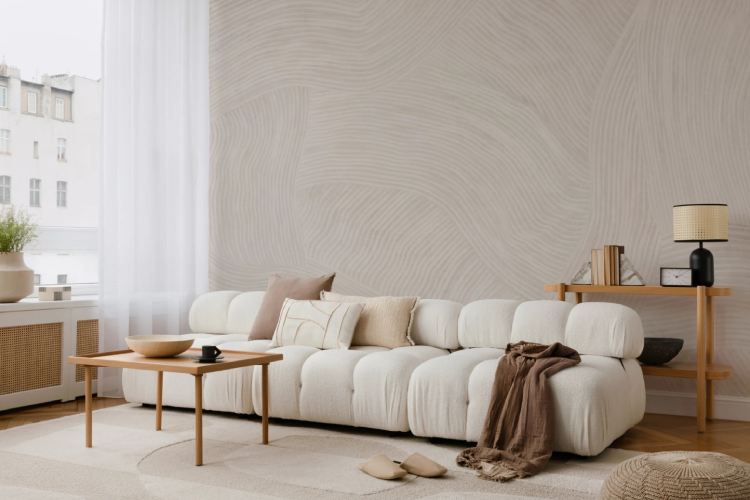
Japandi Living Room Setup
The essentials:
- Low wooden sofa or platform seating
- Natural wood coffee table (simple design)
- Open shelving in natural wood
- Minimal artwork
- One or two plants
- Natural fiber rug
- Good lighting (but warm)
What's missing:
- Lots of decor
- Patterns
- Heavy curtains
- TV as focal point (usually)
It’s intentionally sparse but curated.
Designer Living: The Brand for Japandi
Designer Living focuses on minimalist functional design and they have some beautiful Japandi pieces.
Their furniture is natural materials. Simple clean lines. Handcrafted quality feeling.
Prices are mid-range to higher (€300-1000+ for furniture pieces).
Quality is excellent. Pieces look like investment pieces.
If you want to build a Japandi space, Designer Living is a good starting point because their aesthetic naturally aligns with Japandi principles.
DIY Japandi on Budget
You don’t need to buy expensive Japandi furniture to create the aesthetic.
Budget Japandi:
- IKEA simple wooden furniture (€50-200)
- Natural fiber rug from Amazon (€40-80)
- Plants from local nursery (€10-30 each)
- Simple art from Art.com (€20-50)
- Natural wood shelves (€30-60)
- Ceramic bowls and objects (€10-30)
- Linen throw (€30-60)
Total: €300-500 to create a Japandi space
Mistakes People Make With Japandi
Too much emptiness: Japandi minimal doesn’t mean sparse and sad. It should still feel warm and lived in.
Too much matching: Everything doesn’t need to be the same color. Variety in natural materials creates interest.
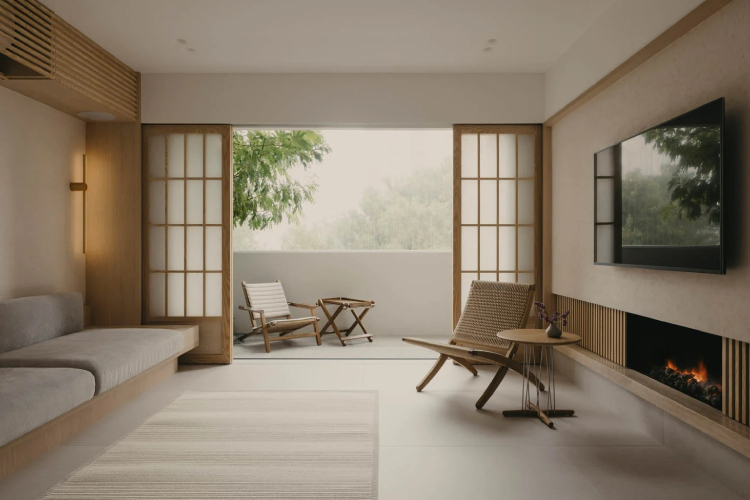
Too precious: Japandi should feel livable. If you’re afraid to use things it’s too precious.
Ignoring function: Every piece should have purpose. No purely decorative objects.
Too trendy: Japandi is timeless. Don’t add trendy pieces. Keeps it simple.
FAQ
Is Japandi the same as minimalist?
Not exactly. Japandi is minimal but warmer and more livable than extreme minimalism. It’s intentional not sparse.
Can Japandi work in small spaces?
Yes perfectly. Japandi’s principles (less stuff, functional pieces, negative space) make small spaces feel bigger.
Can you add color to Japandi?
Minimal color okay (muted greens, soft blacks, warm grays) but the palette stays neutral overall.
Is Japandi expensive?
Can be but doesn’t have to be. IKEA and budget brands can create Japandi aesthetic. It’s about principles not brand names.
Can you mix Japandi with other styles?
Japandi is flexible enough to blend with other styles. Add one or two pieces from another style but keep the base Japandi.
Final Take
Japandi is basically the aesthetic for people who want minimalist but don’t want their home to feel cold.
It’s minimal but warm. Simple but beautiful. Functional but intentional.
If you like Scandinavian or Japanese design, Japandi might be your perfect blend.
Does Japandi appeal to you? What’s your design style? Tell me in the comments!