How to Decorate a Small Living Room: 10 Designer-Approved Ideas

My first apartment had a living room that was basically the size of a closet.
Like it was genuinely tiny. Barely fit a couch and a chair.
I had no idea how to decorate it without making it feel even smaller and more cramped.
I bought a huge coffee table thinking it would make the space feel intentional.
It just made the space feel more crowded.
I bought dark colors thinking they’d be sophisticated.
They made the space feel dark and depressing.
I tried putting a lot of decor thinking it would feel lived-in.
It just felt cluttered.
I was basically doing everything wrong.
Then I actually looked at small space design advice (not just Pinterest but like actual design principles) and realized small spaces need a totally different approach.
You can’t just scale down normal design. It doesn’t work.
Small spaces need specific strategies.
Quick Answer:
Small living rooms need: vertical space, light colors, multi-functional furniture, minimal clutter, good lighting, mirrors, and intentional decor. Less is more. Every piece needs purpose.
The Rule That Changes Everything: Less Is More (For Real)
I know “less is more” sounds like boring design advice.
But for small spaces it’s actually the fundamental rule.
A small space with minimal carefully chosen pieces looks bigger than a small space packed with stuff.
Negative space (empty space) is your friend.
It’s not wasted space. It’s breathing room.
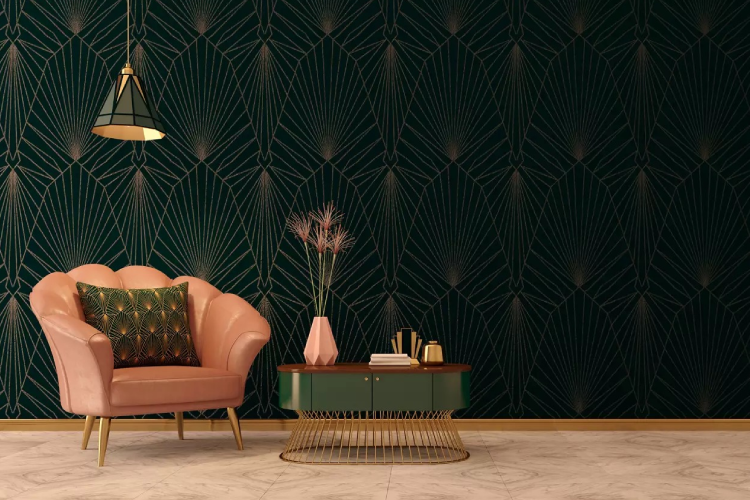
Your eye can move around. The space feels bigger.
A small living room with a couch, a chair, a side table, and one piece of art looks bigger than the same room crammed with furniture.
This was the biggest mindset shift I had to make.
I’m someone who likes stuff. I like having things around. But small spaces require restraint.
You pick the pieces that matter and you leave it at that.
Idea 1: Use Vertical Space (Go Up, Not Out)
Small living rooms don’t have floor space so you maximize wall space.
Put shelves all the way up the wall. Stack things vertically.
Tall bookcases instead of wide ones.
Wall-mounted TV instead of a TV stand taking up floor space.
Floating shelves for storage and display.
Tall lamps instead of taking up table space.
Wall art all the way up.
The idea is you’re using the height of the room instead of trying to spread out horizontally.
This sounds obvious but most people put all their furniture on the floor creating a crowded look.
Think vertical.
Idea 2: Light Colors Make Spaces Bigger
Dark colors make small spaces feel smaller and heavier.
Light colors make them feel bigger and airier.
Paint walls a light neutral (white, cream, light gray).
Use light colored furniture (white, gray, light wood).
Dark accents are fine (black furniture, dark art) but keep the base light.
This makes such a huge difference in how spacious a room feels.
My tiny apartment felt way bigger just from painting the walls white.
Idea 3: Multi-Functional Furniture (Everything Does Double Duty)
In a small space every piece of furniture needs to earn its place.
A coffee table that has storage underneath (€80-150) is better than a regular coffee table.
An ottoman that’s also a side table and has storage (€100-180).
A sofa that converts to a bed if you have guests (€400-800).
A console table behind the sofa that’s also a work desk.
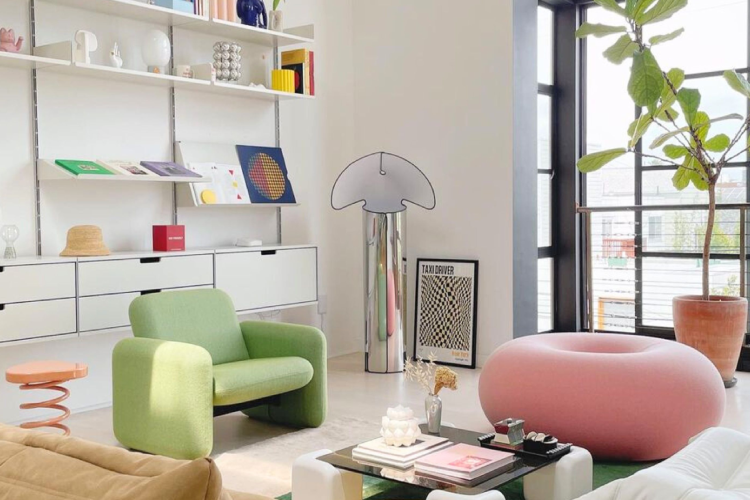
Wall shelving that’s both storage and display.
Nothing is just decorative. Everything serves a purpose.
This is the opposite of regular design where a beautiful side table that holds nothing is fine.
In small spaces that’s wasting real estate.
Idea 4: Strategic Mirrors (They Expand Space Visually)
A large mirror reflects light and makes the space feel bigger and brighter.
Put mirrors on the wall opposite windows so they reflect light around the room.
Mirrors create visual depth making the room feel less cramped.
A good mirror (€50-200) is one of the best investments for a small space.
Not tiny mirrors. A substantial mirror that takes up real wall space.
Idea 5: Lighting (Bright Beats Dark)
Dark poorly lit small spaces feel tiny and depressing.
Bright well-lit spaces feel open and intentional.
Use multiple light sources: ceiling light, floor lamp, table lamp.
Avoid heavy dark lampshades.
Use light bulbs that are bright (not dim warm lighting in a small space).
Good lighting transforms a tiny space.
Idea 6: Minimize Visible Clutter (Clear Surfaces)
Every flat surface will collect stuff (remotes, books, papers, whatever).
In a small space visible clutter makes it feel cramped.
Keep surfaces mostly clear.
Use storage solutions (baskets, shelves with doors, cabinets) for stuff.
One object on a coffee table looks intentional. Five objects looks cluttered.
This is harder than it sounds but crucial for small spaces.
Idea 7: Choose Furniture With Legs (Creates Visual Space Underneath)
Furniture that sits directly on the ground (couches with skirts, TV stands without legs) makes spaces feel heavier and smaller.
Furniture with exposed legs (couches with legs, tables with legs, chairs with legs) creates visual space underneath.
This makes the room feel less crowded even though the furniture takes up the same floor space.
It’s a small visual trick but it works.
Idea 8: One Statement Piece (Not Lots of Clashing Stuff)
Small spaces can’t handle lots of different styles competing for attention.
Pick one statement piece or style direction.
Maybe it’s a bold patterned accent wall. Or a statement art piece. Or a nice rug.
One thing that anchors the design.
Everything else is supporting that.
Too many statement pieces in a small space creates visual chaos.
Idea 9: Horizontal Lines (Make Space Feel Wider)
This is a subtle design trick but it works.
Horizontal artwork, shelves, or furniture lines make spaces feel wider.
Vertical lines make spaces feel taller.
For small rooms you want to emphasize width so horizontal lines help.
A horizontal wall art arrangement above the sofa makes the space feel wider than a vertical arrangement.
Idea 10: Keep the Color Palette Cohesive (Not Rainbow Everything)
Small spaces can’t handle a chaotic color palette.
Pick like 3-4 main colors and stick with them.
White, gray, and one accent color.
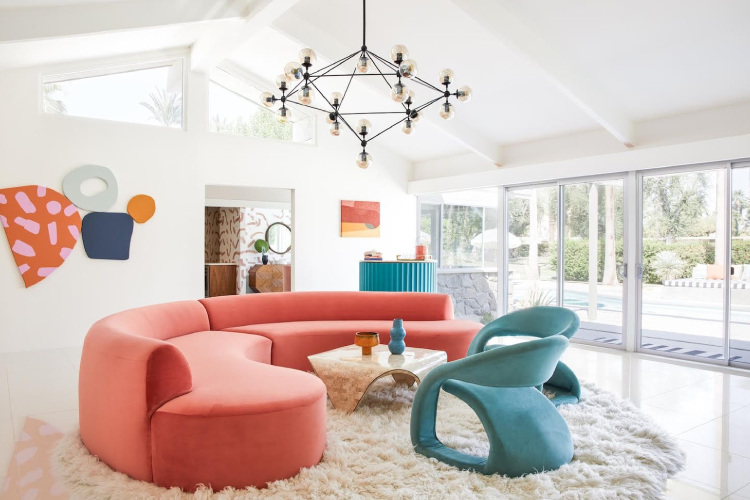
Or cream, navy, and one other color.
Everything coordinates.
This creates visual harmony making the space feel bigger.
A rainbow explosion of colors makes small spaces feel chaotic.
Homary: Furniture for Small Spaces
Homary is actually really good for small space furniture because they focus on design and function.
They have lots of multi-functional pieces (tables with storage, ottomans with storage, vertical shelving).
Their pieces are designed for apartments and small spaces specifically.
Not oversized furniture. Intentional scaled pieces.
Prices are mid-range (€80-300 for furniture pieces).
Quality is solid.
The aesthetic is modern minimalist which works well for small spaces.
If you’re furnishing a small space, Homary is a good starting point for pieces that actually work.
Layout That Actually Works
The One-Wall Layout:
Put the TV and main seating against one wall. Leave the opposite wall open. This makes the space feel bigger.
The Corner Layout:
Put the sofa in the corner. Floating chair at an angle. Side table in between. Uses space efficiently without blocking traffic flow.
The Floating Arrangement:
Pull furniture away from walls into the center of the room (if you have space). Define the seating area. Counterintuitive but makes spaces feel bigger.
FAQ
Can you have a small living room that's also stylish?
Yes. Small spaces can be beautiful. They just need more intentionality. Minimal curated design looks more stylish than cluttered spaces anyway.
What size furniture should you get for small spaces?
Scaled-down furniture. A loveseat instead of a full sofa. A small coffee table. An armchair instead of a sectional. Everything smaller but intentional.
Is it worth getting professional design help for a small space?
If you have budget yes. A designer can maximize small spaces way better than guessing. Virtual consultations are affordable (€50-200).
Can you have a small living room with a big TV?
Yes but mount it on the wall so it doesn’t take up floor space. A floor TV stand makes small spaces feel cramped.
What if your space is really tiny?
Murphy desk that folds away. Nesting tables that stack. Wall shelving instead of furniture. Every piece needs to serve dual purpose.
Final Take
Small living rooms don’t need to feel small.
Smart design makes them feel intentional and open.
Light colors. Vertical space. Minimal clutter. Multi-functional furniture.
These principles transform tiny spaces.
The key is being intentional about every piece instead of just filling the space with stuff.
Do you have a small living room? What’s your decorating strategy? Tell me in the comments!